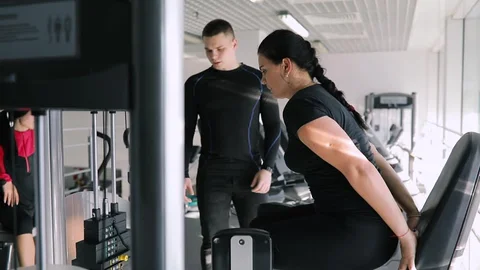
How to Retain Muscle on GLP-1: 7 Powerful Habits for Lasting Progress
By Wilcox Fitness | Personal Training and Nutrition Coaching in Pilot Point, Texas
Your clothes fit differently. Your appetite has changed. The number on the scale is moving.
Now comes an important question: how do you support your strength and health while you lose weight?
If you want to retain muscle on GLP-1 medication, your exercise and nutrition habits deserve attention alongside your treatment.
GLP-1 medications can be valuable medical tools. A thoughtful training routine and sustainable eating habits can complement that treatment, helping you work toward feeling stronger and more capable as your body changes.
At Wilcox Fitness, we want your progress to include what you can do, how consistently you can train, and how well your routine fits your life.
Here is what the research says and seven practical habits to discuss with your healthcare and coaching team.
Why Muscle Matters During GLP-1 Weight Loss
Weight loss can include both fat and lean tissue. This can happen with different weight-loss approaches, including medication-assisted weight loss.
However, “lean mass” and “muscle” are not interchangeable. Lean mass measurements also include water, organs, and other nonfat tissues. A decline in lean mass does not mean that every pound lost was muscle.
A 2025 joint advisory from four medical and nutrition organizations emphasizes nutrition and resistance training to support muscle preservation during GLP-1 treatment. It also notes that additional protein alone is unlikely to adequately preserve muscle without structured strength training.
The practical goal is to lose excess fat while supporting strength, function, and adequate nourishment.
Your body weight is one measurement. Your ability to move and perform everyday tasks matters too.
1. Make Progressive Strength Training a Priority
To retain muscle on GLP-1, make resistance exercise a planned part of your routine.
Strength training challenges your muscles against resistance. That can involve dumbbells, machines, resistance bands, barbells, or your body weight.
“Progressive” means the challenge develops with your ability. You might gradually increase resistance, complete additional controlled repetitions, or perform a movement with better range and technique.
A beginner’s program might include:
-
- A squat to a box or chair.
-
- A supported rowing exercise.
-
- An appropriate pressing movement.
-
- A hip-hinge exercise.
-
- A loaded carry.
-
- A core exercise suited to the individual.
Your starting point should reflect your current fitness, symptoms, health history, and medical guidance.
The CDC recommends muscle-strengthening activity on at least two days each week, working the major muscle groups. A coach can help you build toward an appropriate schedule rather than attempting too much immediately.
2. Choose Functional Fitness With Meaningful Resistance
Functional fitness focuses on abilities that carry over to everyday activities, such as standing up, lifting, carrying, pushing, and pulling.
For someone using GLP-1 medication, that can make training feel relevant to life outside the gym.
But the label alone does not tell you whether a workout supports muscle retention.
A class should include appropriate resistance, clear instruction, and opportunities to progress. Constantly moving through light exercises just to feel exhausted is not the same as following a structured strength program.
Research supports resistance training and physical activity to retain muscle on GLP-1.
The value comes from the exercises, progression, and consistency behind the name.
At Wilcox Fitness, private training and coached group sessions give you opportunities to learn movements, ask questions, and develop a repeatable routine.
3. Make Protein a Regular Part of Your Meals
When your appetite decreases, it can become easier to miss meals or eat too little to meet your nutritional needs.
Including protein throughout the day is one practical way to support your efforts to retain muscle on GLP-1.
Options include eggs, Greek yogurt, fish, chicken, lean meat, tofu, beans, and lentils. Your choices should fit your preferences and tolerance.
A registered dietitian can help set an appropriate daily target based on your body size, health, activity, and food intake. Kidney disease and other medical conditions can change what is appropriate.
Instead of guessing at a very high target, start by reviewing what you currently eat.
Does breakfast contain protein? What about lunch? Do busy evenings regularly turn into skipped meals?
Answering those questions gives you something practical to improve.
4. Build Balanced Meals You Can Continue Eating
A sustainable nutrition plan needs to work during treatment and remain useful if your treatment changes to retain muscle on GLP-1.
Avoid making the entire plan about eating as little as possible.
An ordinary meal can include a protein source, vegetables or fruit, a carbohydrate source, and some dietary fat. Portions should reflect your needs and what you can comfortably tolerate.
Here are a few simple meal ideas:
| Meal | Example |
|---|---|
| Breakfast | Greek yogurt, berries, and oatmeal |
| Lunch | Chicken, rice, and cooked vegetables |
| Dinner | Fish or tofu with potatoes and vegetables |
| Optional snack | Fruit with yogurt or another protein-containing food |
These are flexible examples, not a prescription for identical portions.
You can also keep foods you enjoy. A meal plan that allows family dinners, restaurant meals, and occasional treats is often more practical to maintain than a long list of forbidden foods.
For more on building repeatable habits, read our weight loss guide for beginners.
The aim is to develop a way of eating you understand and can use beyond a short weight-loss phase.
5. Adjust Training When Appetite or Symptoms Change
A workout plan should respond to how you are doing.
Tell your coach if you are struggling to eat, feeling unusually weak, experiencing nausea, or recovering poorly. Your trainer can adjust the session, while your prescribing clinician addresses medication-related symptoms.
Contact your healthcare team if persistent vomiting, dehydration, or difficulty meeting nutritional needs develops. Do not try to solve those problems by pushing harder in the gym.
If you also use insulin or a medication that can cause low blood sugar, ask your clinician about an exercise and glucose-monitoring plan.
To retain muscle on GLP-1, the goal is consistent, appropriate training supported by enough nourishment. Working through significant symptoms can interfere with that plan.
6. Track Strength and Habits Alongside Your Weight
The scale cannot tell you everything about the quality of your progress.
Keep a simple record of:
-
- Exercises, weights, and repetitions.
-
- How consistently you attend.
-
- How you feel during and after sessions.
-
- Everyday tasks that are becoming easier or harder.
-
- Whether you are regularly eating balanced meals.
Body composition measurements can add information, but interpret them carefully. Hydration and testing conditions can affect readings, especially with bioelectrical impedance devices.
Use trends alongside strength, function, and clinical assessment rather than treating one scan as a definitive measurement of muscle loss.
If your weight is falling but your strength, energy, and food intake are also consistently declining, bring that pattern to your healthcare team.
Progress should leave room for a conversation about how you feel and function.
7. Plan for Maintenance Before Treatment Changes
If you and your prescriber decide to stop or change medication, discuss maintenance before that transition.
In the STEP 1 extension study, participants regained about two-thirds of their previous weight loss, on average, during the year after semaglutide and the study’s lifestyle intervention were withdrawn.
That finding does not mean everyone will have the same outcome. It shows that weight regain is a substantial possibility and that ongoing support matters.
Regain is not proof of laziness or failure. Obesity can require long-term treatment, and continuing medication may be appropriate.
Your maintenance conversation should cover eating patterns, physical activity, follow-up appointments, and how to respond if appetite or weight changes.
Keep your training appointments in place. Continue tracking useful habits. Ask for support early instead of waiting until you feel that progress has slipped away.
What Does Research Say About Exercise After GLP-1 Treatment?
A 2024 study published in eClinicalMedicine followed participants after a trial involving supervised exercise, liraglutide, or their combination.
The findings suggested that adding supervised exercise to medication treatment improved weight-loss maintenance after treatment ended compared with medication treatment alone.
This is encouraging evidence for including exercise during treatment. However, the study involved liraglutide and a particular exercise program. It does not prove that any gym program prevents regain after semaglutide or tirzepatide to retain muscle on GLP-1.
A realistic message is that exercise can support long-term management, while medication decisions remain individualized.
How Wilcox Fitness Can Support Your GLP-1 Journey
You do not have to wait until you reach a goal weight to begin building strength.
At Wilcox Fitness in Pilot Point, Texas, we offer private training, coached group fitness, and nutrition coaching to help you turn intentions into a routine.
Our trainers hold a NASM certification, a bachelor’s degree in kinesiology, or a higher qualification. We welcome questions about their experience and how they would approach your starting point.
Your coach can help you:
-
- Learn resistance exercises and appropriate modifications.
-
- Track your performance over time.
-
- Build a realistic training schedule.
-
- Adjust sessions based on your readiness and feedback.
-
- Practice general nutrition habits within the coach’s qualifications.
Your prescriber manages medication, side effects, and medical care. A registered dietitian can provide individualized medical nutrition therapy when needed.
Our role is to support the training and everyday habits that complement that care.
For adults in Pilot Point, Aubrey, and nearby communities, having a scheduled session and someone to guide it can make the next step feel more manageable.
Frequently Asked Questions
Can I retain muscle on GLP-1 medication?
You can take steps to support muscle retention, particularly through resistance training and adequate nutrition. Outcomes vary, and no program can guarantee that all muscle will be preserved.
Is walking enough to preserve muscle?
Walking is useful physical activity, but it does not replace a structured resistance program that challenges the major muscle groups. Both can have a place in your routine.
Do I need protein shakes?
Not necessarily. They may be convenient when appropriate, but ordinary foods can provide protein too. Your overall intake and tolerance matter more than using a particular product.
Should I stop my GLP-1 once I reach my goal weight?
That decision belongs with your prescribing clinician. Some people benefit from long-term treatment. Exercise and nutrition support do not automatically remove the need for medication.
Can joining a gym guarantee I will keep the weight off?
No. A gym can provide coaching, structure, and support, but long-term weight management depends on several factors. Claims that a workout program guarantees no regain go beyond the evidence.
Build Habits That Support Your Results
Medication can be part of meaningful progress. Your strength, nutrition, and daily routine deserve support along the way.
If you want to retain muscle on GLP-1 and build habits you can continue during or after treatment, start with a plan that includes your healthcare team and appropriate exercise.
Schedule an introductory conversation with Wilcox Fitness to explore personal training, group fitness, and nutrition coaching in Pilot Point.
Tell us where you are starting and what you want your body to help you do next.
This article provides general education. Discuss medication changes, significant symptoms, and individualized nutrition needs with your prescribing clinician or registered dietitian.