By Wilcox Fitness | Personal Training and Nutrition Coaching in Pilot Point, Texas
A nutrition plan for beginners should make eating well easier to understand and easier to repeat.
But starting at the gym often comes with an overwhelming list of supposed requirements. Count every calorie. Buy supplements. Stop eating bread. Prepare a week of identical meals. Give up your favorite restaurant.
Before you finish your first week of training, eating can start to feel like a second job.
You do not need to rebuild your entire diet overnight.
You need a practical starting point, enough food to support your goals, and a routine that works when life gets busy.
Your favorite foods can have a place in that routine. Learning how to include them is part of building lasting habits.
Here are eight simple steps to create a nutrition plan you can actually use.
1. Start Your Nutrition Plan for Beginners With a Clear Goal
Joining a gym does not automatically mean you need to eat less.
Someone who wants to lose body fat may need a different approach from someone who wants to gain muscle, improve endurance, or maintain their weight while becoming stronger.
Start by identifying your main goal.
| Your main goal | Your nutrition starting point |
|---|---|
| Lose body fat | Build balanced meals and work toward a manageable energy deficit |
| Gain muscle | Support progressive training with adequate food and protein |
| Improve workout performance | Check that you are eating enough and fitting meals around training |
| Improve everyday eating habits | Establish reliable meals, food variety, and practical preparation |
| Support a medical condition | Personalize your plan with an appropriate healthcare professional or registered dietitian |
An energy deficit means taking in less energy than your body uses over time. It does not mean eating as little as possible.
Your age, body size, activity, health, and preferences all matter. Avoid copying someone else’s calorie target simply because their results look appealing.
Then connect your goal to an action you can control.
“Eat better” is difficult to measure. “Prepare lunch for work three days this week” gives you something specific to practice.
Start with one or two actions rather than a long list of new rules.
2. Understand Your Current Eating Routine
Before changing your meals, spend a few days noticing what already happens.
You can write brief notes or take meal photos. You do not have to count calories to begin learning.
Pay attention to:
- When you eat.
- Which meals leave you satisfied.
- When you become especially hungry.
- What you drink throughout the day.
- Which meals are rushed or frequently skipped.
- How weekends differ from weekdays.
- What food is available when you get home.
- Which foods you genuinely enjoy.
You might discover that dinner is difficult because you have barely eaten since breakfast. Or that your meals are generally balanced, but you have no convenient options on late workdays.
Those observations give you something specific to improve.
The National Institute of Diabetes and Digestive and Kidney Diseases’ guidance on changing habits encourages planning for obstacles, tracking progress, and treating setbacks as part of behavior change.
Ask yourself: Which part of my current routine makes eating well harder than it needs to be?
Your answer is a useful place to begin.
3. Build Balanced Meals From Familiar Foods
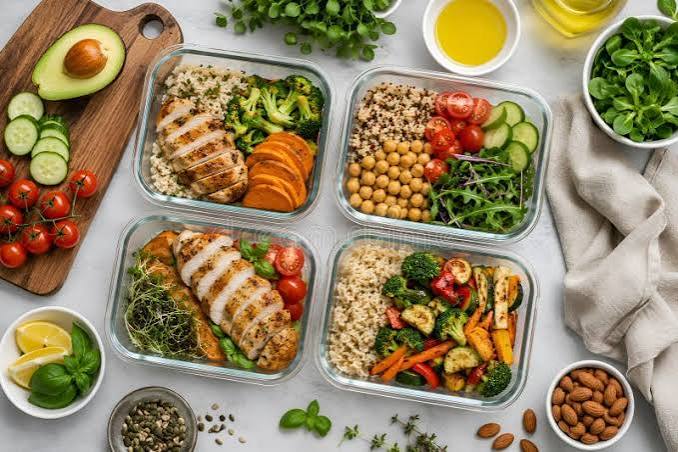
A practical nutrition plan for beginners needs a simple way to assemble meals.
Use this flexible starting structure:
A protein source + vegetables or fruit + a carbohydrate source + an appropriate amount of fat.
Some foods contribute to more than one category. Beans provide both protein and carbohydrates. Eggs provide protein and fat. You do not need four separate ingredients at every meal.
| Meal component | Familiar options |
|---|---|
| Protein | Chicken, fish, eggs, Greek yogurt, lean meat, tofu, beans, or lentils |
| Vegetables or fruit | Fresh produce, frozen vegetables, salad mixes, or canned options |
| Carbohydrates | Oats, potatoes, rice, whole-grain bread, pasta, fruit, or beans |
| Fats | Olive oil, avocado, nuts, seeds, or fats already present in the meal |
The NIDDK’s healthy-eating guidance emphasizes a variety of nutritious foods, including produce, whole grains, and protein sources, while considering portions and overall intake.
Begin with meals you already know how to prepare:
- Eggs, whole-grain toast, and fruit.
- Greek yogurt with oats and berries.
- Chicken, rice, vegetables, and a dressing you enjoy.
- A turkey sandwich with fruit and a side salad.
- Pasta with lean meat or lentils and vegetables.
- Tacos with chicken or beans, salsa, lettuce, and avocado.
If your usual lunch is a sandwich, you may only need to adjust the filling, add produce, or reconsider the portion to make it more supportive of your goals.
Portions should match your needs. This meal structure is a starting framework, not a personalized calorie prescription.
4. Include the Foods You Love
A common beginner mistake is creating a diet that only works when nobody invites you anywhere.
Pizza disappears. Birthdays become stressful. Eating at a restaurant feels like breaking a rule.
That level of restriction is not required for everyone.
The NIDDK’s nutrition-myth guidance explains that small amounts of favorite higher-calorie foods can fit into a weight-loss plan. Overall calorie intake still matters.
A flexible approach considers portions, frequency, satisfaction, and the balance of your meals.
| Food you enjoy | A practical way to include it |
|---|---|
| Pizza | Serve a portion that fits your needs, add vegetables if you enjoy them, and put leftovers away |
| Burgers | Keep the burger and bun; choose sides and drinks intentionally |
| Pasta | Include a protein source and vegetables, then adjust the pasta portion to your needs |
| Ice cream | Serve an amount you enjoy in a bowl and eat it without distraction |
| Restaurant meals | Choose a satisfying meal and take leftovers home when the portion exceeds your appetite |
| Birthday cake | Enjoy a serving and return to your usual routine at the next meal |
These are options, not rules you must follow every time.
You also do not need to label a meal a “cheat.” Eating something you enjoy does not create a debt that must be repaid through exercise or skipped meals.
A nutrition plan for beginners should teach you how to navigate ordinary life, including celebrations, family dinners, and favorite restaurants.
Consistency includes knowing how to enjoy food and continue with your routine afterward.
5. Make Meal Preparation Smaller and More Useful
Meal preparation can be as simple as making your next few meals easier.
Start by choosing:
- Two breakfasts you enjoy.
- Two lunches you can repeat.
- Three manageable dinners.
- Two convenient snacks, if you need them.
Then write a grocery list based on those choices.
Instead of cooking seven complete meals, prepare ingredients that work in several combinations. Cook a protein, prepare rice or potatoes, and wash or portion produce.
The same ingredients might become a bowl, a wrap, or a plated dinner.
For example, cooked chicken could be used in:
- A rice bowl with vegetables.
- A wrap with lettuce and dressing.
- A baked potato with a side salad.
Convenience foods can also help:
- Frozen vegetables.
- Microwaveable grains.
- Canned beans.
- Prewashed salad.
- Plain yogurt.
- Ready-to-eat protein options.
Compare labels when useful, especially for sodium, added sugars, and serving sizes. Convenience does not automatically make a food a poor choice.
Refrigerate perishable foods promptly and freeze portions you will not use within their safe storage window.
The best preparation routine is one you can repeat without exhausting your weekend.
6. Fit Your Meals Around Your Gym Schedule
Starting exercise is a reason to pay attention to fueling and recovery.
Avoid assuming that the best workout is the one you complete while feeling hungry, weak, or lightheaded.
For many beginners, ordinary meals can provide the fuel and nutrients they need. You do not automatically need pre-workout products, sports drinks, or a cabinet full of supplements.
Consider your schedule.
| Training situation | A practical option |
|---|---|
| Early workout and you feel better eating first | Try a small, familiar snack such as toast or a banana |
| Training a few hours after lunch | Your regular lunch may be enough; assess hunger and comfort |
| Evening workout after a long gap without food | Plan a snack you tolerate, such as yogurt and fruit |
| Dinner follows your session | Have a balanced dinner with protein and carbohydrates |
| You struggle to drink regularly | Keep water accessible and drink throughout the day |
These are examples to test, not mandatory meal timings.
Keep portions comfortable before training. Large meals or foods that upset your stomach may work better farther from your session.
Water is a useful default drink. Fluid needs vary with the person, activity, heat, and sweat losses, so a universal “everyone needs a gallon” rule is not appropriate.
Your nutrition plan should fit both training days and rest days. Recovery continues between workouts, so a day without exercise is not a reason to skip meals.
If fatigue or dizziness persists, discuss it with a healthcare professional rather than assuming food timing is the only cause.
7. Review Your Plan Without Starting Over Every Week
Your first nutrition plan will probably need adjustments.
That is normal.
After a week or two, review the routine:
- Which meals were easy to repeat?
- When did hunger become difficult to manage?
- Did you have enough energy for your workouts?
- Did you enjoy what you ate?
- Was the shopping and preparation realistic?
- Did your favorite foods fit comfortably?
- Which one change would make next week easier?
A habit review can happen weekly, but body-composition changes generally need longer trends to interpret. Avoid changing your intake because of one scale reading.
If a meal leaves you hungry, examine its size and balance. If preparation takes too long, simplify it. If you repeatedly miss lunch, focus on making lunch accessible before adding more nutrition rules.
You may find that a different breakfast works better or that you need a more substantial meal before a long afternoon.
That information helps you personalize your approach.
Adjust the part that is causing difficulty. Keep the habits that are working.
8. Create a Backup Plan for Busy Days
A nutrition plan for beginners should account for the days when cooking does not happen.
Work runs late. Practice gets rescheduled. You open the refrigerator and realize the ingredients you planned to use are gone.
Decide ahead of time what you will eat in those situations. Choose two or three backup meals that fit your budget, preferences, and available equipment.
| Situation | A practical backup |
|---|---|
| You have five minutes at home | Microwaveable rice, canned beans, and frozen vegetables |
| You need something without cooking | A turkey sandwich, fruit, and baby carrots |
| You are stopping at the grocery store | Rotisserie chicken, a salad kit, and whole-grain bread |
| You need to order takeout | A chicken or bean burrito bowl with rice, vegetables, and toppings you enjoy |
| Your appetite is small after a late workout | Yogurt with fruit and oats, with the portion adjusted to your needs |
Keep a few reliable ingredients available and save a restaurant order you can use when necessary.
You can also make a simple commitment: “If I cannot prepare my planned dinner, I will choose one of my backup meals.”
A useful plan gives you options when your schedule changes. You can continue practicing healthy habits even when the day goes differently than expected.
Your First-Week Nutrition Checklist
Use these eight actions to get started:
- Choose your main goal. Decide whether you want fat loss, muscle gain, improved performance, or more consistent eating habits.
- Observe your current routine. Notice meal timing, hunger, convenience, and common obstacles.
- Build a few balanced meals. Use familiar protein sources, produce, carbohydrates, and fats.
- Include foods you enjoy. Consider how they fit into your week.
- Shop and prepare realistically. Buy what you will use and prepare a few helpful ingredients.
- Plan around your workouts. Avoid arriving unexpectedly hungry, and make your next meal easy.
- Review what worked. Adjust one obstacle rather than changing everything.
- Practice your backup plan. Choose a quick meal or takeout option you can rely on when needed.
You can add detail later. Begin with enough structure to help you take action.
Frequently Asked Questions About a Nutrition Plan for Beginners
Do I need to count calories?
Not necessarily. Some people find tracking useful for learning about portions and intake. Others do better with structured meals and simpler habits. If your progress does not match your goal, review your approach with qualified support.
Can I lose weight while eating bread, rice, or pasta?
Yes. These foods can fit into a weight-loss plan. Overall intake, portions, nutritional quality, and consistency matter more than banning a particular staple.
Do I need protein shakes?
No. They can be convenient, but many people can meet their protein needs through ordinary foods. A shake should solve a practical need rather than become another required purchase.
What if I eat more than I planned?
Return to your normal routine at the next meal. Consider what contributed, such as an unusually long gap between meals or eating while distracted, and make a useful adjustment.
Should everyone use the same nutrition plan?
No. Food preferences, cultural traditions, finances, training demands, allergies, and medical needs vary. If you have a condition requiring dietary management or a history of disordered eating, work with an appropriate healthcare professional or registered dietitian.
Build a Nutrition Plan That Fits Your Life
A nutrition plan for beginners should give you a clear starting point and room to learn.
You can eat balanced meals, support your workouts, and enjoy foods that matter to you. The process may require practice, but it does not require perfection.
At Wilcox Fitness in Pilot Point, Texas, we help clients connect practical eating habits with consistent training.
Explore our nutrition coaching for help developing a realistic routine, or view our training schedule to find a time that works for you.
Contact Wilcox Fitness at (940) 324-0806 to discuss your goals and take your first step.
Start with your next grocery trip, your next meal, and a few choices you can repeat. Give yourself a plan you can live with.